Why does Armenia not challenge Gazprom’s decision?
Ինչո՞ւ ՀՀ-ն չի վիճարկում «Գազպրոմի» որոշումը
Read on the publisher’s website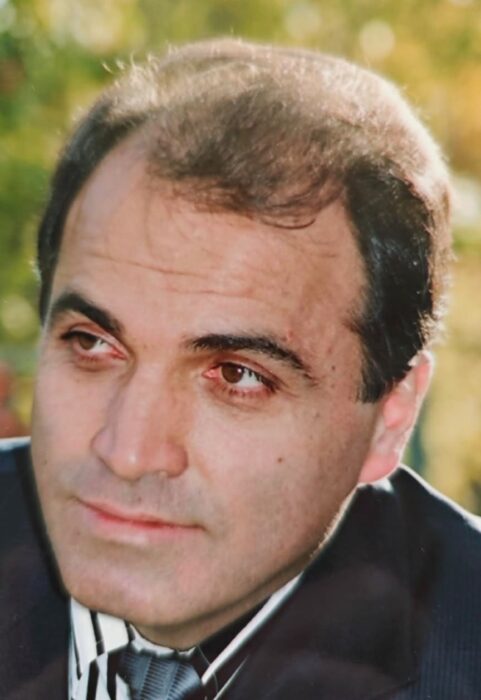
AI-assisted translation. The original article is available below for comparison.
The original short publication and the complete related article are preserved separately, matching the newspaper’s front-page teaser and inside-page article. The complete article text, ending, byline and image caption where present have been checked against the original printed pages linked below.
Original short publication
Why does Armenia not challenge Gazprom’s decision?
“How would our grandfathers, who fought against the Germans and gave their lives for their homeland, feel if they saw today that Germans buy oil and gas from the Russian Federation at a lower price than Armenians? Moreover, what if they learned that Germans run Gazprom?” This was the question raised in a conversation with Aravot by our compatriot, Moscow-based human rights advocate Arbak Khachatryan. Mr. Khachatryan has another question: “Why doesn’t Armenia challenge Gazprom’s decision to raise gas prices through international procedures? After all, our grandfathers also died for ‘that common homeland.’”
Read
Aravot daily newspaper
Complete web publication
The robe revolt and the jailers
Arbak Khachatryan’s response to Alexander Dugin and Konstantin Zatulin
Recently, Alexander Dugin, one of the Kremlin’s chief ideologues and a leader of the International Eurasian Movement, threatened Armenia with “extremely serious complications” in an interview with Vesti.az if it dared turn its gaze toward the United States. Another Kremlin ideologue, Konstantin Zatulin, recently made similar threats toward Armenia.
Yesterday, commenting on the Russian figures’ threats at Aravot’s request, Arbak Khachatryan, human rights defender and adviser to the chairman of Russia’s Anti-Corruption Public Council, said that in recent days, responding to a similar request from Russian media, he had asked: “Why are they so agitated now? In a recent publication I wrote: for the last decade Russia’s authorities decided whom to appoint or recommend as Armenia’s leaders; at those leaders’ request they even arrested people, specifically me, the chief adviser to the head of the human rights protection commission under Russia’s president.
So, for all these years you used the body of Armenia’s authorities, and now Europe and the US have begun using it. What happened to make you so agitated? Be a little more tolerant and accommodating. Or are you afraid not of the authorities’ stance but of Armenian society beginning to raise its voice without seeking fabricated leaders?”
In this context, answering our question about what happened to Armenian driver Hrachya Harutyunyan, our interviewee said: “I would not want that matter endlessly rehearsed. There were 18 fatalities; the tragedy is enormous. Not counting the driver, who is also a victim. Had Hrachya Harutyunyan been employed legally in Russia, clearly this national distinction should not have existed. But the conditions in which Armenians work in Russia… I would advise journalists to travel across Russia and see the conditions in which people from Armenia live—in barracks, basements…”
In an interview on this occasion, Mr. Khachatryan had suggested Russia was committing genocide against Armenians. Clearing up the confusion, our interviewee said either he had explained badly or the journalist had misunderstood: “It is not Russians committing genocide against Armenians, but Armenians committing genocide against themselves. Young men and men leave Armenia to work in Russia; their wives and children stay in Armenia. The first step of genocide is the breakdown of families. The second is that they mostly leave Armenia without an education, but in many cases even education does not save them because they cannot find work suited to it.
Their sole task becomes earning money and sending it to their families in Armenia. From their very first step in Russia they essentially commit crimes: 80–90 percent have registration documents arranged unlawfully, work illegally and without registration, and naturally pay no taxes, which is already a crime. But psychologically, living like this is harder than genocide itself. The difference between the 1915 genocide and the present one is that families now fleeing Armenia do not even preserve their language and culture.
Then they fled the Turk and settled somewhere, but Armenians kept their language and culture; now they flee internal pressure, flee the Armenian, and mostly do not preserve their language and culture.”
Our interviewee also made a vivid comparison: “Armenia now resembles a colony, a prison. Men go abroad to work and send money to their families in Armenia. Their families live on it, educate their children, buy gas imported from Russia, and purchase necessities and goods brought in by a few petty traders who have become idols in Armenia. In other words, Armenia’s leadership—the state, tax and other apparatuses—has become jailers. Men break up their families by leaving for Russia and send that money to the colony for those jailers to consume, because their family members must endure in the prison, the colony.” Arbak Khachatryan considers this the gravest thing happening now.
He does not want to single out Hrachya Harutyunyan’s case: “Dozens of Armenians, young men, have been killed in Russia up to now. Why was there never an outcry like today’s? I am not justifying the other side: there were no medical documents, and the judge should not have heard or accepted the case; that should have been ensured. This, incidentally, should have been the Armenian embassy’s number-one task. That robe could be put on everyone guilty in this case, first of all Armenia’s authorities, because a freedom fighter ended up in this situation: essentially, he sacrificed his life entirely. That is what matters.” Our interviewee describes developments as a “robe revolution.”
To prevent such cases recurring or becoming widespread, he believes the situation of Armenians working in Russia illegally must be clarified. In this story, he does not especially emphasize that the Armenian driver’s case became an object of political manipulation; he is encouraged that people are beginning to protest unlawful conduct. He only notes that the grief of the 18 accident victims’ families is also enormous and heavy, and it should no longer be exploited.
NELLY GRIGORYAN
P.S. Other parts of the conversation in tomorrow’s Aravot.
Aravot daily
Complete web publication from the following day
“He took money for weapons, but was furnishing his office”
The president’s former adviser is gradually revealing the dark pages of the war years
Friends and colleagues of Arbak Khachatryan—a former adviser to Levon Ter-Petrosyan and now an independent human rights defender living in Moscow—have recently made various allusions to Khachatryan’s role during the Karabakh war. In a conversation with Aravot, Khachatryan himself neither denied nor confirmed statements that he had managed to bring Boeing aircraft to Armenia, redirect Russia’s pro-Azerbaijani outlook towards Armenia, and so on. Yesterday, when Aravot asked why he had nevertheless decided only after 15 years to reveal circumstances of the war years, A.
Khachatryan replied: “After 15 years of silence, even today I do not want to talk about many things, and the reason is not that I am afraid. There have been facts in my life such that fear cannot be the reason.” He then noted that in our previous conversation on this subject he had said that revealing the truth would help Armenia escape its present situation. “I have grounds—more precisely, I am convinced—that there are people sitting on top of that pyramid, and it is neither Robert Kocharyan nor Serzh Sargsyan, who, so to speak, directed all this from the beginning: they knew very well what had happened, but to avoid expressing thanks and to prevent reality from being revealed, they began eliminating such people.
I believe the whole truth about the past must be revealed today; this could lay a proper foundation for our state and statehood. Those who try to oppose the truth will be no different from Talaat and Enver. There is no calculation behind my actions, rest assured, and you will soon hear the responses to them. If some things can be avoided, the truth cannot be escaped: there are hundreds of witnesses. They spread false fabrications about me and manufactured a case… A rather high-ranking official in a position of responsibility took money for weapons but was furnishing his office… Where can that man escape from the truth?
Reality will pursue those people and officials who laid this foundation for Armenia and began this genocide. Why do we blame others? The fault is within us. We laid the foundation that has made shop and market owners our ideals today. It is shameful that a freedom fighter now faces the problem of bread in his own country. More than that, to resolve it he takes to the streets in protest and goes on hunger strike.”
Years ago, analysing the global banking system, Khachatryan called its ringleaders “jackals” (https://argumenti.ru/ economics/2013/02/233887), even though, for example, even in Russia the banking system is more liberal: low interest rates, unsecured loans and transactions without bureaucratic red tape, provided a person works legally. That interview circulated quite widely and was shown in 186 countries; it was not published in Armenia. We asked Khachatryan whether he was familiar with Armenia’s banking system and how he would describe it.
“Only a jackal can use money brought from abroad, without giving anything, to take away through local banking moles people’s apartments held for 30–40 years, their gold jewellery and other wealth, and demand enormous interest as well,” our interviewee said, adding: “The banking system introduced in Armenia was designed to empty Armenia. No state empties its own country except Armenia. Yerevan is being emptied of Armenians, and look who comes to buy apartments in our capital. Not to mention rural settlements: they have emptied completely.
Eighty percent of those remaining in Armenia are under the burden of loans. Armenia’s authorities must understand that this system has to be stopped. If not, a revolution is needed. Whether they accuse me or not is irrelevant: I call for a revolution because the country is emptying, and that must be stopped today.”
Arbak Khachatryan is an adviser to the chairman of Russia’s Anti-Corruption Public Council and also works closely with the Anti-Corruption NGO operating in Armenia. We also asked him how the struggle would continue within Anti-Corruption. People want to understand how money stolen from Armenia by various officials will be brought back, and whether any means of bringing it back exist at all. Khachatryan said that Garnik Margaryan, the head of Anti-Corruption who cooperates with leaders of organisations bearing the same name, would discuss this in more detail soon: “I know there are programmes developed on this matter; the first step should be to approach the embassies.
Does a state such as the United States, which gives Armenia, say, 500 million in aid every year, not understand that sums ten times greater, amounting to millions and even billions, go from that same Armenia into its banks, and their owners are local officials of various ranks, corrupt individuals and bribe-takers?” Anti-Corruption will approach the embassies demanding that the sources of these people’s wealth be checked and that money stolen from the country be returned to it. These officials’ and their family members’ names, their illegally acquired sums and accounts will be published.
The Armenian nation must know it can compel foreign states to return that money. Armenian communities in different countries should organise active protests demanding that the respective states return to Armenia the money stolen from it. Sooner or later we will achieve our goal, because the whole world’s economy is falling apart, and the banking moles, whichever country they are in, will be unable to sustain the system. Those officials, too, will understand that it is better to answer for their actions today than for their children to bear the stigma of their guilt years later.
The head of the legal department in the Armenian president’s office gave such an ignorant answer to Anti-Corruption’s inquiry that it is astounding: a more ignorant answer would have been difficult to expect. Those people carrying out orders must understand that they too will answer,” our interviewee said.
Anti-Corruption will also approach the embassies to bar those people and their family members from entering their countries. For individual cases, the reasons and the international rule justifying such a demand will be clearly presented: “Everyone must understand that they will answer for their actions; until that happens, the person carrying out orders will be unable to oppose his superior.”
NELLI GRIGORYAN
Aravot daily newspaper
Compare with the original text · Հայերեն
Սկզբնական կարճ հրապարակումն ու դրանից հղված ամբողջական հոդվածը պահպանված են առանձին՝ ինչպես թերթի առաջին էջի ազդագիրն ու ներսի էջի նյութը։ Ամբողջական հոդվածի տեքստը, վերջաբանը, հեղինակի անունը և պատկերի մակագրությունը, որտեղ առկա է, համեմատվել են ստորև հղված բնօրինակ տպագիր էջերի հետ։
Սկզբնական կարճ հրապարակում
Ինչո՞ւ ՀՀ-ն չի վիճարկում «Գազպրոմի» որոշումը
«Ի՞նչ վիճակի կլինեին մեր պապերը, ովքեր կռվել են գերմանացիների դեմ եւ իրենց կյանքը տվել հանուն հայրենիքի, եթե այսօր տեսնեին, որ գերմանացիներն ավելի էժան գնով են ՌԴ-ից նավթ ու գազ գնում, քան հայերը: Ավելին, եթե իմանային, որ «Գազպրոմը» գերմանացիներն են ղեկավարում»,- «Առավոտի» հետ զրույցում նման հարց հնչեցրեց Մոսկվայում բնակվող մեր հայրենակից, իրավապաշտպան Արբակ Խաչատրյանը: Պարոն Խաչատրյանը մեկ հարց էլ ունի. «Ինչո՞ւ Հայաստանը միջազգային կարգով չի վիճարկում «Գազպրոմի» որոշումը` գազը թանկացնելու մասին: Չէ՞ որ հանուն «այդ միասնական հայրենիքի մեր պապերն էլ են զոհվել»:
Կարդացեք
« Առավոտ» օրաթերթ
Ամբողջական վեբ հրապարակում
Խալաթի հեղաշրջումը եւ կլյուչնիկները
Արբակ Խաչատրյանի պատասխանը Ալ. Դուգինին եւ Կոնստանտին Զատուլինին
Օրերս Կրեմլի գլխավոր գաղափարախոսներից, «Միջազգային եվրասիական շարժման» լիդերներից Ալեքսանդր Դուգինը Vesti.az-ին տված հարցազրույցում Հայաստանին սպառնացել էր «լրջագույն բարդություններով», եթե համարձակվի հայացքը դեպի ԱՄՆ շրջել: Վերջերս Հայաստանին ուղղված համանման սպառնալիքներով էր հանդես եկել Կրեմլի մեկ այլ գաղափարախոս՝ Կոնստանտին Զատուլինը:
Երեկ «Առավոտի» խնդրանքով մեկնաբանելով ռուսաստանցի այրերի սույն սպառնալիքները՝ ՌԴ «Հակակոռուպցիա» հասարակական խորհրդի նախագահի խորհրդական, իրավապաշտպան Արբակ Խաչատրյանն ասաց, որ վերջին օրերին, ի պատասխան ռուսաստանյան լրատվամիջոցների համանման հարցման, ինքը մի հարց է հնչեցրել. «Ինչո՞ւ են իրենք հիմա այդպես իրար խառնվել: Իմ հրապարակումներից մեկում ես վերջերս գրել էի՝ վերջին տասնամյակում ՌԴ իշխանություններն են որոշել՝ ո՞ւմ նշանակել, ո՞ւմ երաշխավորել Հայաստանում՝ որպես ղեկավար, վերջիններիս խնդրանքով անգամ մարդկանց էին ձերբակալում, մասնավորաբար ինձ՝ ՌԴ նախագահին կից մարդու իրավունքների պաշտպանության հանձնաժողովի ղեկավարի գլխավոր խորհրդականին: Փաստորեն, այսքան տարի դուք օգտագործել եք ՀՀ իշխանությունների մարմինը, հիմա այն սկսեցին օգտագործել Եվրոպան եւ ԱՄՆ-ը: Ի՞նչ է պատահել, որ այդպես իրար եք անցել, մի քիչ հանդուրժող եւ զիջող եղեք: Թե՞ ոչ թե իշխանությունների կեցվածքից եք վախեցած, այլ նրանից, որ հայ հասարակությունն է սկսում իր ձայնը բարձրացնել՝ առանց շինծու առաջնորդներ փնտրելու»:
Այս համատեքստում մեր զրուցակիցը, ի պատասխան հայ վարորդի` Հրաչյա Հարությունյանի հետ տեղի ունեցածին վերաբերող մեր հարցին, ասաց. «Ես չէի ցանկանա, որ այդ հարցն անընդհատ չարչրկվի. 18 զոհ է եղել, ողբերգությունն ահռելի է: Չհաշված վարորդը, որը նույնպես զոհ է: Եթե Հրաչյա Հարությունյանը ՌԴ-ում օրինական կարգով աշխատանքի անցած լիներ, պարզ է, որ այդ ազգային տարբերությունը չպետք է լիներ: Բայց այն պայմանները, որոնցում հայերն են աշխատում ՌԴ-ում… ես խորհուրդ կտայի լրագրողներին անցնել ռուսական տարածքներով եւ տեսնել, թե նաեւ ինչ պայմաններում են հայաստանցիները ապրում՝ բարաքներում, նկուղներում…»:
Այս առիթով մի հարցազրույցում պարոն Խաչատրյանը ակնարկել էր, որ Ռուսաստանը ցեղասպանություն է իրականացնում հայերի նկատմամբ: Փարատելով տարակուսանքը՝ մեր զրուցակիցն ասաց, որ կամ ինքը լավ չի բացատրել, կամ լրագրողն իրեն լավ չի հասկացել. «Ոչ թե ռուսներն են հայերին գենոցիդի ենթարկում, այլ հայերն են իրենց գլխին գենոցիդ անում: Երիտասարդ տղաներն ու տղամարդիկ Հայաստանից մեկնում են ՌԴ` աշխատելու, նրանց կանայք եւ երեխաները մնում են Հայաստանում: Գենոցիդի առաջին քայլն այն է, որ ընտանիքներն են քայքայվում: Երկրորդ քայլն այն է, որ նրանք Հայաստանից դուրս են գալիս` հիմնականում առանց կրթություն ստանալու, բայց շատ դեպքերում կրթությունն էլ չի փրկում, քանի որ այդ մարդիկ չեն կարողանում իրենց կրթությանը հարմար աշխատանք գտնել: Այդ մարդկանց միակ խնդիրն է դառնում գումար աշխատել եւ ուղարկել Հայաստան` իրենց ընտանիքներին: Ու ՌԴ-ում իրենց առաջին իսկ քայլից, ըստ էության, նրանք հանցագործություններ են կատարում. 80-90 տոկոսի հաշվառման փաստաթղթերը ոչ օրինական ճանապարհով են կարգավորվում, աշխատում են ոչ օրինական, չգրանցված ու, բնականաբար, հարկեր էլ չեն վճարում, իսկ դա արդեն հանցագործություն է: Բայց հոգեպես այդ կերպ ապրելը գենոցիդից էլ բարդ է: 1915 թվականի եւ ներկայիս գենոցիդի տարբերությունն այն է, որ այն ընտանիքները, որոնք այժմ փախչում են Հայաստանից, նրանք անգամ լեզուն ու մշակույթն էլ չեն պահպանում: Այն ժամանակ թուրքից էին փախչում, ինչ-որ մի տեղ հաստատվում, բայց հայն իր լեզուն ու կուլտուրան պահում էր, այժմ ներքին ճնշումից են փախչում, հայից են փախչում ու լեզուն ու մշակույթն էլ մեծամասամբ չեն պահում»:
Մեր զրուցակիցը նաեւ բավականին պատկերավոր համեմատություն արեց. «Հայաստանը հիմա նման է մի գաղութի, բերդի: Տղամարդիկ մեկնում են արտագնա աշխատանքի, գումարն ուղարկում են Հայաստան` իրենց ընտանիքներին: Նրանց ընտանիքներն այդ գումարով ապրում են` երեխաներին ուսման են տալիս, առնում են այն գազը, որը բերվում է ՌԴ-ից, գնում են այն անհրաժեշտ սնունդն ու ապրանքները, որը մի քանի չարչիներ են բերում, իրենք էլ Հայաստանում դարձել են կուռքեր: Այսինքն՝ Հայաստանի ղեկավարությունը` պետական, հարկային եւ մնացյալ ապարատները դարձել են կլյուչնիկներ: Տղամարդիկ իրենց ընտանիքները քայքայելով մեկնում են ՌԴ, այդ գումարն ուղարկում են գաղութ, որ էդ կլյուչնիկներն ուտեն, քանի որ բերդում, գաղութում իրենց ընտանիքի անդամները պիտի դիմանան»: Սա Արբակ Խաչատրյանը համարում է ամենածանր բանը, որն այժմ կատարվում է:
Իսկ Հրաչյա Հարությունյանի դեպքը չի ցանկանում առանձնացնել. «Մինչեւ այժմ ՌԴ-ում տասնյակ հայեր են սպանվել, երիտասարդ տղաներ. ինչո՞ւ որեւէ անգամ այնպիսի աղմուկ-աղաղակ չեղավ, ինչպես հիմա: Ես չեմ արդարացնում հակառակ կողմին. բժշկական փաստաթղթերը չեն եղել, ու դատավորը չպիտի լսեր գործը, չպիտի ընդուներ գործը, ու դա պետք է լիներ: Ի դեպ, ՀՀ դեսպանատան թիվ մեկ խնդիրը դա պետք է լիներ: Իսկ այդ խալաթը կարելի է հագցնել այս գործով բոլոր մեղավորներին, բայց առաջին հերթին՝ ՀՀ իշխանություններին, որ ազատամարտիկը հայտնվել է այս իրավիճակում. փաստորեն, իր կյանքը զոհաբերեց ամբողջովին: Սա է կարեւորը»: «Խալաթի հեղաշրջում». այսպես է բնութագրում մեր զրուցակիցն իրադարձությունների զարգացումը:
Եվ որպեսզի նման դեպքերն այլեւս չկրկնվեն եւ մասսայական չդառնան, նա գտնում է, որ ՌԴ-ում անօրինական կարգավիճակով աշխատող հայերի հարցերը պետք է հստակեցվեն: Այս ամբողջ պատմության մեջ մեր զրուցակիցը այդքան էլ չի կարեւորում այն, որ հայ վարորդի հարցը քաղաքական շահարկումների առարկա դարձավ, նրան ոգեւորում է այն, որ մարդիկ սկսում են բողոքն անօրինականությունների դեմ: Միայն նկատում է, որ վթարի հետեւանքով զոհված 18 անձանց ընտանիքների սուգն էլ ահռելի ծանր է ու բավական է այն օգտագործել:
ՆԵԼԼԻ ԳՐԻԳՈՐՅԱՆ
Հ.Գ.- Զրույցի այլ հատվածները` վաղվա «Առավոտում»:
« Առավոտ» օրաթերթ
Հաջորդ օրվա ամբողջական վեբ հրապարակում
«Զենքի համար գումարներ էր վերցրել, բայց իր աշխատասենյակն էր կահավորում»
Նախագահի նախկին խորհրդականը կամաց-կամաց բացահայտում է պատերազմական տարիների մութ էջերը
Լեւոն Տեր-Պետրոսյանի նախկին խորհրդական, այժմ Մոսկվայում բնակվող անկախ իրավապաշտպան Արբակ Խաչատրյանի մտերիմներն ու գործընկերները վերջին շրջանում տարբեր ակնարկներ արեցին ղարաբաղյան պատերազմի ժամանակ Խաչատրյանի ունեցած դերակատարման մասին: Ինքը՝ Խաչատրյանը, «Առավոտի» հետ զրույցում ոչ հերքել, ոչ հաստատել էր այն հայտարարությունները, որ ինքը կարողացել է «Բոինգ» ինքնաթիռներ բերել Հայաստան, Ռուսաստանի՝ ադրբեջանամետ հայացքը շեղել դեպի Հայաստան եւ այլն: Երեկ «Առավոտի» հարցին՝ ինչո՞ւ, այնուհանդերձ, 15 տարի անց միայն ինքը որոշեց բացահայտումներ անել պատերազմական տարիների իրողությունների մասին, Ա.
Խաչատրյանը պատասխանեց. «15 տարի լռելուց հետո ես այսօր էլ շատ բաների մասին չեմ ուզում խոսել, ու պատճառն այն չէ, որ վախենում եմ: Իմ կյանքում այնպիսի փաստեր են եղել, որ վախը պատճառ չի կարող լինել», ապա նկատեց, որ այս առիթով մեր նախորդ զրույցում ինքն ասել էր, որ ստեղծված իրավիճակից դուրս գալու համար Հայաստանին ճշմարտության բացահայտումը կօգնի: «Ես հիմքեր ունեմ, ավելի ճիշտ՝ համոզված եմ, որ կան մարդիկ, ովքեր նստած են այդ բուրգի վրա, ու դա ոչ Ռոբերտ Քոչարյանն է, ոչ Սերժ Սարգսյանն է, որոնք հենց սկզբից, այսպես ասած, ղեկավարել են այդ ամենը. լավ իմացել են, թե ինչ է կատարվել, բայց որպեսզի շնորհակալություն չհայտնեն եւ իրականությունը չբացվի, սկսել են վերացնել այդպիսի մարդկանց: Ես գտնում եմ, որ այսօր պետք է ողջ ճշմարտությունն անցյալի մասին բացվի, դա կարող է ճիշտ հիմք դնել մեր պետության ու պետականության համար: Իսկ այն մարդիկ, ովքեր կփորձեն ճշմարտությանը դեմ դուրս գալ՝ ոչնչով չեն տարբերվի Թալեաթից ու Էնվերից: Իմ քայլերում ոչ մի հաշվենկատություն չկա, վստահ եղեք, ու այդ քայլերի արձագանքները շուտով կլսեք: Եթե կան բաներ, որոնցից հնարավոր է խուսափել, ճշմարտությունից հնարավոր չէ փախչել, հարյուրավոր վկաներ կան: Սուտ հերյուրանքներ տարածեցին իմ մասին, գործ սարքեցին… Բավականին բարձրաստիճան ու պատասխանատու պաշտոնյան զենքի համար գումարներ էր վերցրել, բայց իր աշխատասենյակն էր կահավորում… ո՞ւր պիտի փախչի այդ մարդը ճշմարտությունից: Իրականությունը հետապնդելու է այն մարդկանց, պաշտոնյաներին, ովքեր Հայաստանի համար այս հիմքը դրեցին, այս ցեղասպանությունը սկսեցին: Ինչի՞ ենք այլոց մեղադրում: Մեղքը մեր մեջ է: Մենք ենք դրել այն հիմքը, որ այսօր խանութի ու բազարի տերերը մեր իդեալներն են: Ամոթ է, որ ազատամարտիկն այսօր իր երկրում հացի խնդիր ունի: Ավելին, որ այդ խնդիրը լուծելու համար դուրս է գալից բողոքի ցույցի, հացադուլի է նստում»:
Տարիներ առաջ վերլուծելով համաշխարհային բանկային համակարգը՝ Խաչատրյանը համակարգի պարագլուխներին «շակալներ» էր անվանել (https://argumenti.ru/ economics/2013/02/233887)՝ այն դեպքում, երբ, ասենք, թեկուզ հենց ՌԴ-ում բանկային համակարգն ավելի լիբերալ է՝ ցածր տոկոսադրույքներ, առանց գրավի վարկեր, առանց բյուրոկրատական քաշքշուկների գործարքներ, եթե մարդն օրինական աշխատում է: Այդ հարցազրույցը բավականին մեծ տարածում ունեցավ, 186 երկրներում այն ցուցադրվեց, Հայաստանում այն չի հրապարակվել: Խաչատրյանից հետաքրքրվեցինք՝ ծանո՞թ է ինքը հայաստանյան բանկային համակարգին, ինչպե՞ս այն կբնութագրի: «Միայն շակալը կարող է դրսից բերված գումարներով, ոչինչ չտալով՝ տեղական բանկային խլուրդների միջոցով մարդկանցից խլել իրենց 30-40 տարվա բնակարանները, ոսկյա զարդերն ու այլ հարստություններ ու ահռելի տոկոսներ էլ պահանջել»,- ասաց մեր զրուցակիցը՝ հավելելով.
«Բանկային համակարգը, որը ներդրված է Հայաստանում, մշակված է Հայաստանը դատարկելու համար: Որեւէ պետություն իր երկիրը չի դատարկում՝ բացի Հայաստանից: Երեւանը դատարկվում է հայերից, ու տեսեք, թե ովքեր են մեր մայրաքաղաքում գալիս բնակարաններ գնում: Էլ չեմ ասում գյուղական բնակավայրերի մասին. ամբողջովին դատարկվել են: Հայաստանում մնացած մարդկանց 80 տոկոսը վարկերի տակ է: Հայաստանի իշխանությունները պետք է հասկանան, որ այդ համակարգը պետք է կանգնեցնել: Եթե ոչ, ապա հեղափոխություն է պետք անել: Ինձ կմեղադրեն, թե ոչ՝ էական չէ. ես կոչ եմ անում հեղափոխություն անել, քանի որ երկիրը դատարկվում է, ու այսօր դրա դեմն առնել է պետք»:
Արբակ Խաչատրյանը ՌԴ «Հակակոռուպցիա» հասարակական խորհրդի նախագահի խորհրդականն է, սերտորեն համագործակցում է նաեւ Հայաստանում գործող «Հակակոռուպցիա» հասարակական կազմակերպության հետ: Նրանից հետաքրքրվեցինք նաեւ՝ ինչպե՞ս է շարունակվելու պայքարը «Հակակոռուպցիայի» շրջանակներում: Մարդիկ ցանկանում են հասկանալ՝ ի՞նչ կերպ են տարբեր պաշտոնյաների կողմից Հայաստանից գողացված գումարները ետ բերվելու, ետ բերելու տարբերակներ ընդհանրապես կա՞ն: Խաչատրյանն ասաց, որ ավելի մանրամասն առաջիկայում այդ մասին կխոսի Գառնիկ Մարգարյանը՝ «Հակակոռուպցիա» կազմակերպության ղեկավարը, որը համագործակցում է համանուն կազմակերպությունների ղեկավարների հետ.
«Ես տեղյակ եմ, որ այդ առիթով մշակված ծրագրեր կան. առաջին քայլը պետք է լինի դեսպանատներին դիմելը: Մի՞թե ԱՄՆ-ի նման պետությունը, որը տարեկան, ասենք, 500 միլիոն օգնություն է տալիս Հայաստանին, չի հասկանում, որ նույն Հայաստանից տասնապատիկ անգամ ավելի միլիոնների, անգամ միլիարդների հասնող գումարներ են գնում իրենց բանկերը, որոնց սեփականատերերը տեղական տարբեր դասի չինովնիկներ, կոռուպցիոներներ ու կաշառակերներ են»: «Հակակոռուպցիան» կդիմի դեսպանատներին՝ պահանջելով ստուգել այդ մարդկանց ունեցվածքի աղբյուրները եւ վերադարձնել երկրից գողացված գումարները երկրին: Այդ պաշտոնյաների ու նրանց ընտանիքի անդամների անուններն ու անօրինական ձեռք բերած գումարները, հաշիվները կհրապարակվեն: Հայ ազգը պետք է իմանա, որ ինքը կարող է ստիպել արտասահմանյան պետություններին, որպեսզի վերադարձնեն այդ գումարները: Տարբեր երկրներում գտնվող հայկական համայնքները պետք է ակտիվ բողոքի ակցիաներ կազմակերպեն՝ տվյալ պետությունից պահանջելով Հայաստանից գողացված գումարները վերադարձնել երկրին: Վաղ թե ուշ մենք կհասնենք մեր նպատակին, քանի որ ամբողջ աշխարհի տնտեսությունն է քանդվում, եւ բանկային խլուրդները՝ որ երկրում էլ նրանք լինեն, չեն կարողանալու պահել համակարգը: Այդ չինովնիկներն էլ կհասկանան, որ ավելի լավ է այսօր իրենք պատասխան տան իրենց արարքի համար, քան տարիներ հետո իրենց երեխաները իրենց մեղքի խարանն իրենց վրա վերցնեն: ՀՀ նախագահի աշխատակազմի իրավաբանական բաժնի պետն այնպիսի մի անգրագետ պատասխան է տվել «Հակակոռուպցիայի» հարցմանն ի պատասխան, որը շշմեցուցիչ է. ավելի անգրագետ պատասխան դժվար էր ակնկալել: Այդ մարդիկ, ովքեր պատվեր են կատարում, պետք է հասկանան, որ իրենք էլ են պատասխան տալու»,- ասաց մեր զրուցակիցը:
«Հակակոռուպցիան» կդիմի դեսպանատներին՝ արգելափակելու նաեւ այդ մարդկանց ու նրանց ընտանիքի անդամների մուտքն իրենց երկրներ: Առանձին դեպքերով հստակ կներկայացվի պատճառաբանություն, թե ի՞նչն է պատճառը եւ ո՞ր միջազգային նորմով է նման պահանջը հիմնավորվում. «Բոլորը պետք է հասկանան, որ պատասխան են տալու իրենց քայլերի համար. մինչեւ դա չլինի, կատարողը չի կարող իր ղեկավարի դեմ դուրս գալ»:
ՆԵԼԼԻ ԳՐԻԳՈՐՅԱՆ
« Առավոտ» օրաթերթ
Source note
Publication date displayed in the publisher's Arbak Khachatryan tag index.
The original short publication and the complete related article are preserved separately, matching the newspaper’s front-page teaser and inside-page article. The complete article text, ending, byline and image caption where present have been checked against the original printed pages linked below.