What should Ter-Petrosyan do?
Ի՞նչ անի Տեր-Պետրոսյանը
Read on the publisher’s website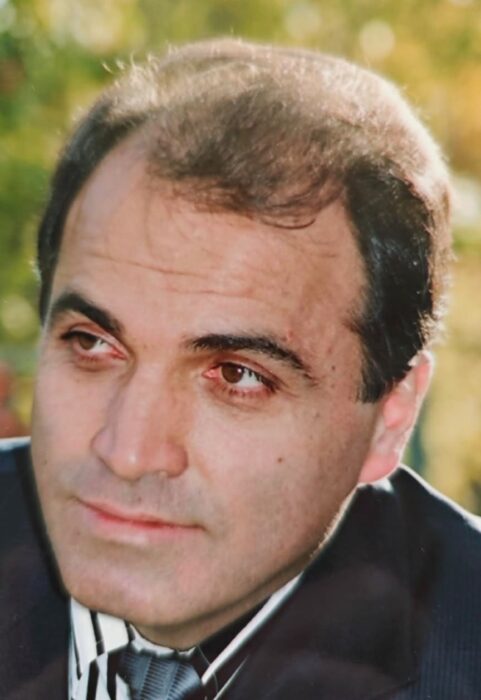
AI-assisted translation. The original article is available below for comparison.
The original short publication and the complete related article are preserved separately, matching the newspaper’s front-page teaser and inside-page article. The complete article text, ending, byline and image caption where present have been checked against the original printed pages linked below.
Original short publication
What should Ter-Petrosyan do?
“Every era creates its own political figure. Levon Ter-Petrosyan created the Armenian National Movement, and the entire people rallied. Enough of Ter-Petrosyan creating parties. In any case, he will not surpass the Armenian National Movement of that time,” said Arbak Khachatryan, a human rights advocate and former adviser to the Russian Federation’s human rights ombudsman, in a conversation with Aravot about the first Armenian president’s recent political conduct. In his view, Ter-Petrosyan would be wiser to pursue the investigation of the killings that took place during the events following the 2008 election, and he would be seen as a more substantial political figure as an adviser rather than as a party chairman.
Read
Aravot daily newspaper
Complete web publication
Human rights advocate on Raffi Hovannisian’s Moscow visit and money stolen from Armenia
And where is Luzhkov now?
“Recently I have avoided assessing Armenia's domestic political life, but in a publication of mine in 2006 I proposed creating a Stepan Demirchyan–Raffi Hovannisian political bloc. By and large, I am not particularly interested in which political figure has taken which particular actions; his personal and family integrity is more important and significant. Today I understand very well that the people voted for Raffi Hovannisian because they were tired of bribery and plunder. At its foundation is what we are fighting for,” former adviser to Russia's human rights ombudsman and human rights advocate Arbak Khachatryan responded in a conversation with Aravot. Aravot's observation concerned the fact that, following the post-election developments in Armenia, former presidential candidate Raffi Hovannisian, perceived as representing a Western orientation and officially placed second, decided to go to Moscow—a decision received and commented on ambiguously in Armenia. Incidentally, Mr. Khachatryan is currently an adviser to Colonel General Vladimir Mamaev, Hero of the USSR and the Russian Federation and head of Russia's Public Council for Combating Corruption. That organization, together with the National Front anticorruption NGO headed by Garnik Margaryan, chairman of the registered and functioning Armenian party Homeland and Honor, and several similar international organizations, has undertaken work to recover through an international court and nationalize money stolen by officials from their own countries.
We asked Arbak Khachatryan whether he knew what meetings Raffi Hovannisian had actually had in Moscow and how serious they were, especially since two days before his visit he had announced that he would go to Moscow and bring back the Armenian people's victory from Mr. Putin. “I am not interested in whether he would meet Putin. Clearly, such a meeting would not have happened, because that would have been a greater political blow. Perhaps emotions made Raffi express himself that way. But if Raffi had gone to Washington, everyone would have said he had gone to report to the CIA. Raffi was in a situation: so much suffering, so much starvation; he did not know what to do—expose the people to a blow or get out of the situation in such a way that his family and loved ones would be hit… and fly to Moscow, even if only to eat ice cream… Washington would have elicited entirely different comments, while no one understood Moscow,” our interlocutor says, recalling that both the United States and Russia have Armenian communities of around three million, so as a political figure Raffi could also go to Moscow.
Arbak Khachatryan states that Raffi Hovannisian could not have had official meetings in Moscow, only friendly ones for advice: if Washington or Moscow had stood behind Raffi, he would never have found himself in his present situation. In general, our interlocutor says he has his own understanding of the term “political figure”: “I would wish our country's president to be an ordinary teacher, a woman or a man. I do not recognize those people who show how cunning they are and how well they understand life, that in the most difficult situation they can make millions and ‘lie down nicely’ beneath some superpower's president or leader. Can you imagine today's political figures working out political questions? They do not know what that is. Today the owners of markets and shops have become MPs.” Our interlocutor recalls a passage from one of his interviews in 2006, where he expressed the view that Armenia's ambassadors are occupied with receiving and seeing off officials and escorting their wives around the shops—how can they fight for Armenia's interests in the Kremlin? Khachatryan believes everything must have a clean foundation, while current mistakes will correct themselves. Their present commitment to fighting corruption has absolutely no aim of demonstrating strength or influence or declaring anyone an enemy: “The only goal is for the people to believe that a thief will answer to the people themselves, sooner or later.” Asked how he assesses the National Front anticorruption organization's appeal and complaint addressed to Russia's president and the ambassadors of other countries accredited in Armenia, the human rights advocate said: “I do not see it as an appeal and complaint. More than that, it is an accusation addressed to those countries' leaders, who cleanse their own systems of such phenomena while simultaneously creating favorable conditions for sycophants from Armenia. In Armenia, making money alone has become the basis of everything. But you cannot enter global competition that way. A process of complete zombification is underway, presenting enormous danger. Money arriving from outside is simply divided among banks, and that makes them feel wealthy; they think they earned that money themselves. Meanwhile, Azerbaijan today has committed all its potential to presenting its ‘culture and history.’” Mr. Khachatryan warns authorities who have enriched themselves at newly independent Armenia's expense that their families and children will also answer for their dirty activities. This too is one of the principles underpinning organizations fighting corruption. He notes with sorrow that their children studying abroad will be forced to interrupt their education because educational institutions will refuse to accept, as tuition payments, funds stolen from their own countries.
In its April 4 issue, Aravot had already addressed the activities of NGOs fighting corruption. Considerable skepticism arose over the fact that the attempt to fight corruption was being made at the level of NGOs, which essentially have no levers of influence. Arbak Khachatryan counters: “The reason is that a state structure has no right to carry out an operation on another state's territory. Here, I think, the most important reality is that society is leading the process, rather than some ‘operative.’ Russia has understood that its salvation depends on society believing and being saved. God grant that we too come to understand it. Putin realized that if someone keeps his billions abroad, he is ready to flee at any moment. Is that difficult to understand? Today I am forced to frighten people so that the stolen millions come back. There were no stronger lawyers than Luzhkov's. But the case fell apart, and this elderly man now lives with his wife in fear of the day when he and his children will be arrested. That is no life.”
Our interlocutor does not name corrupt Armenian officials, not because he fears them, but because, he says, his fight is against the system rather than individuals. In this sense, Arbak Khachatryan finds it noteworthy that during his inauguration Serzh Sargsyan never spoke about corruption or combating it, because his audience was incapable of understanding that corruption in Armenia today has become a matter of national security. Khachatryan is convinced that, in any case, one must have that political will and take steps that may not be understood today, but years later people will remember that it was your step. “Armenia is my homeland, my cradle, and I cannot remain indifferent to these realities,” Arbak Khachatryan says.
NELLY GRIGORYAN
Aravot daily newspaper
Compare with the original text · Հայերեն
Սկզբնական կարճ հրապարակումն ու դրանից հղված ամբողջական հոդվածը պահպանված են առանձին՝ ինչպես թերթի առաջին էջի ազդագիրն ու ներսի էջի նյութը։ Ամբողջական հոդվածի տեքստը, վերջաբանը, հեղինակի անունը և պատկերի մակագրությունը, որտեղ առկա է, համեմատվել են ստորև հղված բնօրինակ տպագիր էջերի հետ։
Սկզբնական կարճ հրապարակում
Ի՞նչ անի Տեր-Պետրոսյանը
«Ամեն ժամանակաշրջան ստեղծում է իր քաղաքական դեմքը: Լեւոն Տեր-Պետրոսյանը ստեղծեց ՀՀՇ-ն, եւ ողջ ժողովուրդը կանգնեց: Հերիք է, որ Տեր-Պետրոսյանը կուսակցություն ստեղծի: Մեկ է, այն ժամանակվա ՀՀՇ-ից առաջ չի անցնի»,- «Առավոտի» հետ զրույցում անդրադառնալով ՀՀ առաջին նախագահի վերջին շրջանի քաղաքական վարքագծին՝ ասաց ՌԴ մարդու իրավունքների պաշտպանի նախկին խորհրդական, իրավապաշտպան Արբակ Խաչատրյանը: Նրա համոզմամբ՝ Տեր-Պետրոսյանը առավել ճիշտ կաներ, եթե հետամուտ լիներ 2008 թվականի հետընտրական իրադարձությունների ժամանակ եղած սպանությունների բացահայտման գործին, եւ իբրեւ քաղաքական դեմք՝ առավել ծանրակշիռ կընկալվեր, ոչ թե որպես կուսակցության նախագահ, այլ որպես խորհրդատու:
Կարդացեք
« Առավոտ» օրաթերթ
Ամբողջական վեբ հրապարակում
Իրավապաշտպանը՝ Րաֆֆի Հովհաննիսյանի մոսկովյան այցի եւ Հայաստանից գողացած գումարների մասին
Իսկ որտե՞ղ է հիմա Լուժկովը
«Վերջին շրջանում ես խուսափել եմ հայաստանյան ներքաղաքական կյանքին գնահատականներ տալուց, բայց 2006 թվականի իմ մի հրապարակման մեջ ես առաջարկ էի ներկայացրել Ստեփան Դեմիրճյան-Րաֆֆի Հովհաննիսյան քաղաքական դաշինքի ստեղծման, քանի որ, մեծ հաշվով, ինձ այդքան էլ հետաքրքիր չէ, թե որ քաղաքական դեմքն ինչ կոնկրետ գործողություններ է կատարել, այլ առավել կարեւոր եւ հատկանշական է նրա եւ նրա ընտանիքի հիմքի ազնվությունը: Ես այսօր լավ հասկանում եմ, որ Րաֆֆի Հովհաննիսյանին ժողովուրդը ձայն է տվել նրա համար, որ հոգնել է կաշառքից ու թալանից: Իսկ դրա հիմքն այն է, ինչի համար պայքարում ենք մենք»,- «Առավոտի» հետ զրույցում այսպես արձագանքեց ՌԴ մարդու իրավունքների պաշտպանի նախկին խորհրդական, իրավապաշտպան Արբակ Խաչատրյանը: «Առավոտի» դիտարկումը վերաբերում էր նրան, որ Հայաստանում ծավալված հետընտրական իրադարձությունների արդյունքում արեւմտյան ուղղության կրող ընկալվող ՀՀ նախագահի նախկին թեկնածու Րաֆֆի Հովհաննիսյանը, ով պաշտոնական արդյունքներով զբաղեցրել է երկրորդ տեղը, որոշեց գնալ Մոսկվա, ինչը ոչ միանշանակ ընկալվեց եւ մեկնաբանվեց Հայաստանում: Ի դեպ, պարոն Խաչատրյանը ներկայումս ՌԴ Կոռուպցիայի դեմ պայքարի հասարակական խորհրդի ղեկավար, գեներալ-գնդապետ, ՍՍՀՄ եւ ՌԴ հերոս Վլադիմիր Մամաեւի խորհրդականն է: Իսկ այդ կազմակերպությունը Հայաստանում գրանցված եւ գործող, «Հայրենիք ու պատիվ» կուսակցության նախագահ Գառնիկ Մարգարյանի ղեկավարած «Ազգային ճակատ» հակակոռուպցիոն հասարակական կազմակերպության եւ համանման միջազգային մի շարք կազմակերպությունների հետ ձեռնամուխ են եղել չինովնիկների՝ իրենց երկրներից գողացած գումարները միջազգային դատարանի միջոցով բռնագանձելու եւ ազգայնացնելու գործին:
Արբակ Խաչատրյանից հետաքրքրվեցինք՝ տեղյա՞կ է ինքը, թե ի վերջո, իրականում ի՞նչ հանդիպումներ է ունեցել Րաֆֆի Հովհաննիսյանը Մոսկվայում, եւ որքանով էին դրանք լուրջ, մանավանդ, որ իր այցից երկու օր առաջ նա հայտարարել էր թե գնալու է Մոսկվա եւ պարոն Պուտինից բերի հայ ժողովրդի հաղթանակը: «Ինձ չի հետաքրքրում՝ կհանդիպե՞ր Պուտինին, թե՞ ոչ: Պարզ է, որ նման հանդիպում չէր լինի, քանի որ դա ավելի մեծ քաղաքական հարված կլիներ: Միգուցեեւ էմոցիաներն են ստիպել Րաֆֆիին այդ կերպ արտահայտվել: Բայց եթե Րաֆֆին գնար Վաշինգտոն, բոլորը կասեին՝ գնացել է CIA-ին հաշիվ տալու: Րաֆֆին մի իրավիճակում էր հայտնվել՝ այդքան տանջանք, այդքան սովի էր մատնվել, չգիտեր ի՞նչ անել՝ ժողովրդի՞ն հարվածի տակ դնել, թե՞ դուրս գալ այն վիճակի, որ իր ընտանիքն ու իր մտերիմները հարված ստանային… ու թռնել Մոսկվա՝ թեկուզ պաղպաղակ ուտելու… Վաշինգտոնը լրիվ այլ մեկնաբանություն կստանար, իսկ Մոսկվան ոչ ոք չհասկացավ»,- ասում է մեր զրուցակիցը՝ հիշեցնելով, որ եւ ԱՄՆ-ում, եւ ՌԴ-ում մոտ երեք միլիոնանոց հայ համայնք ունենք, ուստի, իբրեւ քաղաքական դեմք, Րաֆֆին կարող էր գնալ նաեւ Մոսկվա:
Արբակ Խաչատրյանը փաստում է, որ պաշտոնական հանդիպումներ Րաֆֆի Հովհաննիսյանը Մոսկվայում չէր կարող ունենալ, միայն՝ ընկերական, խորհրդի կարգով, քանի որ եթե Վաշինգտոնը կամ Մոսկվան Րաֆֆիի թիկունքում լինեին, երբեք նա չէր հայտնվի այն իրավիճակում, որում հայտնվեց: Ընդհանրապես, մեր զրուցակիցն ասում է, որ «քաղաքական դեմք» հասկացողության սեփական պատկերացումներն ունի. «Ես կցանկանայի, որ մեր երկրի նախագահը լիներ սովորական ուսուցիչ մի կին կամ տղամարդ: Ես չեմ ընդունում այն մարդկանց, ովքեր ցույց են տալիս, որ այնքան խորամանկ են ու կյանքից այնպես են հասկանում, որ ամենածանր դրության մեջ կարող են միլիոններ աշխատել ու «լավ պառկել» մի գերտերության նախագահի կամ ղեկավարի տակ: Դուք պատկերացնո՞ւմ եք, որ այսօրվա մեր քաղաքական դեմքերը քաղաքական հարցեր մշակեն: Իրենք չգիտեն՝ դա ինչ է: Այսօր բազարների, խանութների տերերը պատգամավորներ են դարձել»: Մեր զրուցակիցը հիշում է 2006 թվականին տված իր հարցազրույցներից մի դրվագ, որտեղ կարծիք էր հայտնել, թե Հայաստանի դեսպանները զբաղված են չինովնիկներին, պաշտոնյաներին ընդունել-ճանապարհելով, նրանց տիկնանց խանութներ ուղեկցելով՝ ինչպե՞ս կարող են նրանք Կրեմլում կռիվ տալ Հայաստանի շահերի համար: Խաչատրյանն այն համոզմանն է, որ ամեն ինչի հիմքը պետք է մաքուր լինի, իսկ ընթացիկ սխալներն ինքնըստինքյան կուղղվեն: Ու այն, որ այսօր իրենք լծվել են կոռուպցիայի դեմ պայքարին, բնավ էլ նպատակ չունի ուժի, ազդեցության ցուցադրման կամ ինչ-որ մեկին թշնամի հռչակելու. «Միակ նպատակն այն է, որ ժողովուրդը հավատա՝ գողը պատասխան է տալու հենց ժողովրդին, վաղ թե ուշ»: Մեր հարցին՝ ինչպե՞ս եք գնահատում «Ազգային ճակատ» հակակոռուպցիոն կազմակերպության դիմում-բողոքը՝ ուղղված ՌԴ նախագահին եւ ՀՀ-ում հավատարմագրված այլ երկրների դեսպաններին, իրավապաշտպանն ասաց. «Ես դա իբրեւ դիմում-բողոք չեմ ընկալում, ավելին՝ դա մեղադրանք է՝ ուղղված այդ երկրների ղեկավարներին, որոնք իրենց համակարգն են մաքրում նմանատիպ երեւույթներից՝ միաժամանակ բարենպաստ պայմաններ ստեղծելով հայաստանցի շողոքորթների համար: Հայաստանում ամեն ինչի հիմքը դարձել է միայն փող աշխատելը: Իսկ այդպես համաշխարհային մրցակցության մեջ մտնել չես կարող: Կատարյալ զոմբիացման պրոցես է ընթանում, ինչն ահռելի վտանգ է ներկայացնում: Դրսից եկած գումարներն ուղղակի բաժանվում են բանկերի մեջ, ու իրենք իրենց դրանով հարուստ են զգում, կարծում են, թե իրենք են այդ գումարն աշխատել: Մինչդեռ Ադրբեջանն այսօր իր ողջ ներուժը դրել է իր «մշակույթը եւ պատմությունը» ներկայացնելու համար»: Պարոն Խաչատրյանը նորանկախ Հայաստանի հաշվին հարստացած իշխանավորներին զգուշացնում է, որ իրենց կեղտոտ գործունեության համար պատասխան են տալու նաեւ իրենց ընտանիքը, զավակները: Կոռուպցիայի դեմ պայքարող կազմակերպությունների հիմքում նաեւ նման սկզբունք կա: Ու ցավով նշում է, որ արտասահմանում ուսանող նրանց երեխաները ստիպված կլինեն դադարեցնել իրենց ուսումը, քանի որ ուսումնական հաստատությունները կհրաժարվեն իբրեւ վարձավճար ընդունել սեփական երկրներից գողացված գումարները:
Ապրիլի 4-ի համարում «Առավոտն» արդեն անդրադարձել է կոռուպցիայի դեմ պայքարող հասարակական կազմակերպությունների գործունեությանը: Մեծ թերահավատություն առաջացրեց այն հանգամանքը, որ կոռուպցիայի դեմ պայքարելու փորձը արվում է հասարակական կազմակերպությունների մակարդակով, որոնք, ըստ էության, ազդեցության լծակներ չունեն: Արբակ Խաչատրյանը հակադարձում է. «Պատճառն այն է, որ պետական կառույցն իրավունք չունի այլ պետության տարածքում գործողություն իրականացնելու: Ու այստեղ, կարծում եմ, ամենագլխավոր իրողությունն այն է, որ գործընթացը գլխավորում է հասարակությունը, ոչ թե ինչ-որ «օպեր»: Իսկ ՌԴ-ն հասկացավ, որ իր երկրի փրկության գրավականն այն է, որ հասարակությունը հավատա եւ փրկվի: Տա Աստված, որ մենք էլ գանք այդ գիտակցությանը: Պուտինը հասկացավ, որ եթե մարդն իր միլիարդները պահում է արտասահմանում, ուրեմն ամեն րոպե պատրաստ է փախչնել: Մի՞թե դժվար է դա հասկանալ: Ես ստիպված եմ այսօր վախեցնել, որպեսզի գողացված միլիոնները հետ գան: Լուժկովի իրավաբաններից հզոր իրավաբաններ չկային: Բայց գործը քանդվեց, ու այդ տարիքով մարդն այսօր իր կնոջ հետ վախեցած ապրում է, թե որ օրն իրեն ու իր զավակներին կձերբակալեն: Դա կյանք չէ»:
Մեր զրուցակիցը կոռումպացված հայ չինովնիկների անուններ չի տալիս ու ոչ թե այն պատճառով, որ վախենում է նրանցից, այլ ասում է, որ իր պայքարը անձերի դեմ չէ, համակարգի դեմ է: Այս իմաստով Արբակ Խաչատրյանն ուշագրավ է համարում այն, որ իր երդմնակալության արարողության ժամանակ Սերժ Սարգսյանն այդպես էլ չխոսեց կոռուպցիայից, դրա դեմ պայքարից, քանի որ նրա ունկնդիրները ի վիճակի չէին ընկալել, որ կոռուպցիան այսօր Հայաստանում դարձել է ազգային անվտանգության խնդիր: Խաչատրյանի համոզմամբ՝ ամեն դեպքում պետք է ունենալ այդ քաղաքական կամքը եւ կատարել քայլեր, որոնք կարող է այսօր չընկալվեն, բայց տարիներ անց մարդիկ կհիշեն, որ դա քո քայլն էր: «Հայաստանն իմ հայրենիքն է, իմ օրրանը, եւ ես չեմ կարող անտարբեր մնալ այս իրողություններին»,- ասում է Արբակ Խաչատրյանը:
ՆԵԼԼԻ ԳՐԻԳՈՐՅԱՆ
«Առավոտ» օրաթերթ
Source note
Publication date displayed in the publisher's Arbak Khachatryan tag index.
The original short publication and the complete related article are preserved separately, matching the newspaper’s front-page teaser and inside-page article. The complete article text, ending, byline and image caption where present have been checked against the original printed pages linked below.