“By issuing another ultimatum, Russia is following the worst-case scenario”: Arbak Khachatryan on developments in Kazakhstan
«ՌԴ-ն, կրկին գնալով ուլտիմատումի, գնում է վատագույն սցենարին». Արբակ Խաչատրյանը՝ ղազախական զարգացումների մասին
Read on the publisher’s website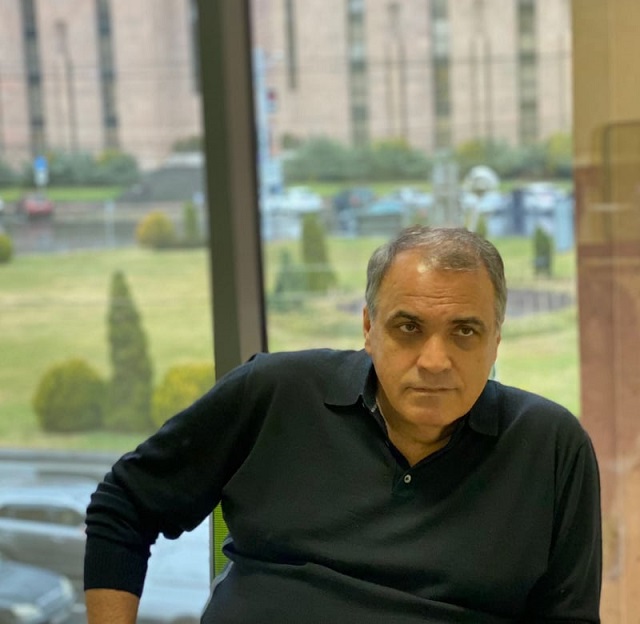
AI-assisted translation. The original article is available below for comparison.
Political analyst Arbak Khachatryan considers the developments of recent days in Kazakhstan directly comparable to the withdrawal of American troops from Afghanistan about a year earlier.
Speaking to Aravot.am about developments in Kazakhstan, Arbak Khachatryan said it had been clear even then that the so-called ‘Afghan processes’ would continue, and that their most likely direction of development was towards Central Asia, against Russia, as he had warned in his interviews. Even then, he could not understand the jubilation that accompanied the withdrawal of American troops from Afghanistan. Among other factors, American troops in Afghanistan were also confronting terrorist structures and organisations, preventing their spread and thereby sparing a number of countries unnecessary headaches. He held, and continues to hold, the view that the processes following the withdrawal of American troops from Afghanistan would be such that, against their backdrop, the Syrian problem would seem like a ‘little flower.’
Incidentally, our interviewee does not consider events in Kazakhstan merely a social revolt turning into a political problem. He believes that Muslim religious structures are trying to take advantage of the situation and put their definite programme of unification into practice in various directions. At present the hotspot is Kazakhstan, and regardless of whether a country accepts these organisations or not, they will try to implement their programmes all the same. This is something that does not exist in the Christian world, because Christianity does not have an ideology of unification at its foundation. In any case, in his assessment, the policy of plunder pursued by Kazakhstan’s former president and his entourage is quite dominant in these developments, and it always brings the greatest danger to countries. ‘An authority that, on coming to power, does not return what has been plundered and does not stop the plunder will one day see it blow up over its own head too. The man who came to power in a yellow Zaporozhets and his brats are now taking millions out of the country as a result of that power,’ our interviewee said, adding that such a policy by installed authorities destroys the states concerned.
In developments in Kazakhstan, our interviewee draws attention to the fact that, after the Baltic countries, Kazakhstan was the most pro-Western of the post-Soviet countries in terms of its systems.
Turning to the decision to send CSTO armed forces to Kazakhstan, our interviewee draws attention to the fact that the decision was made under Article 4 of the CSTO Treaty, which describes the case of aggression against a member country. Without any evidence that external aggression had occurred against Kazakhstan, the CSTO adopted such a decision.
Let us recall that Article 4 of the CSTO Treaty provides: ‘If any of the member states is subjected to aggression by a state or a group of states, the member states shall regard this as aggression against all states participating in this Treaty. In the event of an act of aggression against any participating state, the other participating states shall provide the necessary assistance, including military aid, and shall also provide assistance with the means at their disposal, in accordance with the procedure for exercising the right of collective defence under Article 51 of the UN Charter.’ That is, CSTO member states must immediately notify the United Nations Security Council of measures taken under this article and, when taking measures, comply with the relevant provisions of the UN Charter. This has not been done.
Washington’s negative reaction is already evident. In this case, according to Arbak Khachatryan, the logical step is that the West will impose sanctions on CSTO member countries for the unlawful action, which will be fatal both for Russia and, even more so, for the other CSTO members. As a result, according to our interviewee, Russia, once again resorting to an ultimatum, is heading towards the worst scenario: large-scale war or, more dangerously, developments involving the use of an atomic bomb. He observes that this situation, in which Russia is surrounded by NATO troops and the country’s borders are ‘on fire,’ is the ‘achievement’ of Russia’s mistaken policy: appointing its vassals as leaders of post-Soviet states, who plundered those countries and created an unstable environment, led to such scenarios.
On the other hand, in our interviewee’s assessment, however obvious the fact of terrorism may be, the troops of a nation entering another country nevertheless become that country’s enemy. He notes that throughout history there has been no case in which another country’s troops entered a state and brought benefit, with the exception of Alexander the First, a repetition of whose example is ruled out in this case.
Arbak Khachatryan describes the announcement of the CSTO decision by the prime minister of the Republic of Armenia, Nikol Pashinyan, as purely technical, in the sense that Armenia currently chairs the CSTO council. But he is not surprised that Armenia’s present authorities are in such an absurd and ridiculous situation that, to retain their power, they would even be ready to defend former US president Barack Obama. Khachatryan considers the whole tragedy of these developments to be that, just a year and a half ago, during the 44-day war, when there were numerous facts showing that various terrorist groups were participating in the war, the CSTO gave as its reason that Artsakh was not a recognised state and was not a CSTO member. Yet now, without any evidence, solely on the basis of a statement, it is sending a military contingent to Kazakhstan.
In any event, our interviewee considers developments in the region quite dangerous for Armenia, because this ‘game’
involves powerful Muslim countries on one side and Russia and Belarus — essentially a single unit, and powerful again — on the other. Turning to the presence of an Armenian contingent of 70 within the CSTO, our interviewee said: ‘On the one hand, it is very dangerous that terrorist organisations may invade our country through Turkey and Azerbaijan, considering the positive attitudes of Kazakhstan and those countries towards one another and their cooperation in various Turkic-speaking structures. On the other hand, the people of Kazakhstan see that Armenia’s authorities — just 1.5 people — have come out against them. But those 1.5 people are the Armenian people to them. Even the lives of those 70 soldiers are very precious to us, and it will be hard if they are killed. But for the Kazakhs those 70 soldiers are a nation — the Armenian people, who cannot hold their own borders but have gone to help them. How can a country defeated in war take such a risk and send a military contingent to defend another country’s borders? Armenia’s authorities did not even discuss the issue in parliament, but adopted a government decision. This belongs to the genre of the absurd.’
In Arbak Khachatryan’s opinion, Armenia’s authorities had room to manoeuvre, and perhaps it would have been fairer to declare that Armenia was joining the Russian Federation and thus close the issue, at least as far as Armenia was concerned. Responding to the suggestion that, broadly speaking, these developments might have a single purpose for Russia — restoring the former USSR in another confederation — our interviewee noted that in that case he could not imagine Armenia’s status in such a structure after this degree of discredit; he could not envisage it. ‘Even Armenia joining Russia at this moment resembles a situation in which a diseased appendix does not want to be separated from the body but strives to remain in it.’
Our interviewee sees only one way out of this situation for Armenia: changing values, rallying intellectuals and honest people, and creating intellectual centres that can form a force and speak on international platforms on the basis of Armenia’s interests, its position and the safeguarding of its security.
Nelli GRIGORYAN
Compare with the original text · Հայերեն
Ղազախստանում վերջին օրերի զարգացումները քաղաքական վերլուծաբան Արբակ Խաչատրյանն ուղիղ համեմատական է համարում մոտ մեկ տարի առաջ Աֆղանստանից ամերիկյան զորքերի դուրս բերման գործողության հետ:
Aravot.am-ի հետ զրույցում, անդրադառնալով ղազախական զարգացումներին , Արբակ Խաչատրյանն ասաց, որ դեռ այն ժամանակ էր ակնհայտ, որ այսպես կոչված «աֆղանական գործընթացները» իրենց շարունակությունն են ունենալու եւ դրա ամենահավանական զարգացումը միջինասիական ուղղությանն էր՝ ընդդեմ Ռուսաստանի, ինչի մասին ինքն իր հարցազրույցներում ահազանգել է: Եվ իր համար դեռ այն ժամանակ էր անհասկանալի հրճվանքը, որով ուղեկցվեց ամերիկյան զորքի դուրսբերումը Աֆղանստանից, քանի որ ի թիվս այլ գործոնների, ամերիկյան զորքը Աֆղանստանում նաեւ դիմագրավում էր ահաբեկչական կառույցներին ու կազմակերպություններին՝ թույլ չտալով դրանց տարածումը եւ, այդպիսով, մի շարք երկրների զերծ էր պահում ավելորդ գլխացավանքներից: Նա եղել է եւ մնում է այն կարծիքին, որ Աֆղանստանից ամերիկյան զորքի դուրսբերմանը հետեւող գործընթացները այնպիսիք են լինելու, որ սիրիական խնդիրը դրանց ֆոնին, «փոքրիկ ծաղիկ» է թվալու:
Մեր զրուցակիցն, ի դեպ, Ղազախստանում տեղի ունեցող զարգացումները չի համարում զուտ սոցիալական բունտ, որը վերաճում է քաղաքական խնդրի: Նա կարծում է, որ մահմեդական կրոնական կառույցները փորձում են օգտվել իրավիճակից եւ կյանքի կոչել միավորման իրենց հստակ ծրագիրը՝ տարբեր ուղղություններով. այս պահին, թեժ կետը Ղազախստանն է եւ անկախ նրանից՝ որեւէ երկրում այդ կազմակերպություններին ընդունում են, թե՝ ոչ, միեւնույն է, նրանք փորձելու են կյանքի կոչել իրենց ծրագրերը: Մի բան, որը քրիստոնյա աշխարքում չկա, քանի որ քրիստոնեության հիմքում միավորման գաղափարախոսություն չկա: Ամեն դեպքում, այս զարգացումներում, նրա գնահատմամբ, բավական դոմինանտ են Ղազախստանի նախկին նախագահի եւ նրա շրջապատի կողմից իրականացված թալանի քաղաքականությունը, որը միշտ ամենամեծ վտանգն է բերում երկրներին: «Այն իշխանությունը, որը գալով՝ թալանվածը չի վերադարձնում, չի կանգնեցնում թալանը, մի օր նաեւ իր գլխին է պայթելու: Դեղին «զապորոժեցով» իշխանության եկածն ու նրա լակոտները այսօր իշխանության արդյունքում միլիոններ են տանում երկրից»,- ասաց մեր զրուցակիցը՝ հավելելով, որ դրածո իշխանությունների նման քաղաքականությունը քայքայում է տվյալ պետությունները:
Ղազախական զարգացումներում մեր զրուցակիցն ուշադրություն է հրավիրում այն հանգամանքին, որ հետխորհրդային երկրներից Ղազախստանն ամենաարեւմտամետն էր իր համակարգերով՝ մերձբալթյան երկրներից հետո:
Անդրադառնալով ՀԱՊԿ ԶՈՒ Ղազախստան գործուղելու որոշմանն էլ՝ մեր զրուցակիցը ուշադրություն է հրավիրում այն հանգամանքին, որ որոշումն ընդունվել է ՀԱՊԿ պայմանագրի 4-րդ հոդվածի համաձայն, որտեղ նկարագրում է անդամ երկրի դեմ ագրեսիայի պարագան եւ առանց որեւէ ապացույցի, որ Ղազախստանի դեմ արտաքին ագրեսիա է եղել, ՀԱՊԿ-ը նման որոշում ընդունեց:
Հիշեցնենք, ՀԱՊԿ պայմանագրի 4-րդ հոդվածը սահմանում է. «Եթե անդամ պետություններից որևէ մեկը ենթարկվի ագրեսիայի որևէ պետության կամ պետությունների խմբի կողմից, ապա անդամ պետությունների կողմից դա կհամարվի որպես ագրեսիա սույն Պայմանագրի բոլոր մասնակից պետությունների դեմ: Մասնակից պետություններից որևէ մեկի դեմ ագրեսիայի ակտի ի հայտ գալու պարագայում, մնացած մասնակից պետությունները կցուցաբերեն անհրաժեշտ օժանդակություն` ներառյալ ռազմական օգնությունը, նաև կցուցաբերեն օժանդակություն իրենց տրամադրության տակ գտնվող միջոցներով` հավաքական պաշտպանության իրավունքի իրագործման կարգին համապատասխան` համաձայն ՄԱԿ-ի կանոնադրության 51-րդ հոդվածի»: Այսինքն, ՀԱՊԿ անդամ պետությունները պետք է անհապաղ ծանուցեն Միավորված ազգերի կազմակերպության Անվտանգության խորհրդին սույն հոդվածի համաձայն ձեռնարկված միջոցների մասին եւ միջոցներ ձեռք առնելիս պահպանեն ՄԱԿ-ի կանոնադրության համապատասխան դրույթները, ինչը չի արվել:
Վաշինգտոնի բացասական արձագանքն արդեն առկա է եւ այս պարագայում, ըստ Արբակ Խաչատրյանի, տրամաբանական քայլն այն է, որ Արեւմուտքը սանկցիա կկիրառի ՀԱՊԿ անդամ երկրների նկատմամբ՝ անօրինական գործողության համար, ինչը մահացու կլինի թե ՌԴ-ի, թե, առավել ևս, ՀԱՊԿ անդամ մյուս երկրների համար: Արդյունքում, ըստ մեր զրուցակցի, ՌԴ-ն կրկին գնալով ուլտիմատումի՝ գնում է վատագույն սցենարին՝ լայնածավալ պատերազմի կամ, որ առավել վտանգավոր է, ատոմային ռումբի կիրառմամբ զարգացումների: Նա նկատում է, որ այս իրավիճակը, երբ ՌԴ-ն շրջապատված է ՆԱՏՕ-ի զորքով եւ երկրի սահմանները «կրակի» մեջ են, ՌԴ-ի սխալ քաղաքականության «ձեռքբերումն» է. հետխորհրդային պետություններում ղեկավարներ նշանակելով իր վասալներին, որոնք թալանեցին տվյալ երկրները՝ ստեղծելով անկայուն դաշտ, հանգեցրին նման սցենարների:
Մեր զրուցակցի գնահատմամբ, մյուս կողմից էլ, որքան էլ որ ահաբեկչության փաստն ակնհայտ լինի, միեւնույն է, այն ազգի զորքը, որը մտնում է տվյալ երկրի, այդ երկրի համար դառնում է թշնամի: Նա նկատում է՝ պատմության ընթացքում չի եղել դեպք, երբ այլ երկրի զորք մտնի մեկ այլ պետություն եւ օգուտ տա, բացառությամբ Ալեքսանդր առաջինի, ինչի կրկնությունն այս պարագայում բացառվում է:
Այն, որ ՀԱՊԿ որոշումը հայտարարվեց ՀՀ վարչապետ նիկոլ Փաշինյանի կողմից, Արբակ Խաչատրյանը զուտ տեխնիկական է որակում այն առումով, որ Հայաստանն այս պահին նախագահում է ՀԱՊԿ խորհրդում, բայց որ ՀՀ գործող իշխանությունն այնպիսի զավեշտալի եւ ծիծաղելի իրավիճակում է, որ իր իշխանությունը պահելու համար անգամ պատրաստ է ԱՄՆ նախկին նախագահ Բարաք Օբամային էլ պաշտպանել, նա չի զարմանում: Այս զարգացումների ողջ ողբերգությունը Արբակ Խաչատրյանը համարում է այն, որ ընդամենը մեկուկես տարի առաջ, 44-օրյա պատերազմի ժամանակ, երբ առկա էին բազում փաստեր այն մասին, որ ահաբեկչական տարբեր խմբավորումներ էին մասնակցում պատերազմին, ՀԱՊԿ-ը պատճառ բերեց թե Արցախը ճանաչված պետություն չէ, ՀԱՊԿ անդամ չէ, մինչդեռ այժմ, առանց որեւէ ապացույցի, զուտ հայտարարության հիման վրա, զորամիավորում է ուղարկում Ղազախստան:
Ինչեւէ, տարածաշրջանում տեղի ունեցող զարգացումները մեր զրուցակիցը բավական վտանգավոր է համարում Հայաստանի համար, քանի որ այս «խաղում»
ներգրավված են մի կողմից հզոր մահմեդական երկրներ, մյուս կողմից՝ ՌԴ-ն եւ Բելառուսը, որոնք, ըստ էության մեկ միավոր են եւ դարձյալ հզոր: Անդրադառնալով ՀԱՊԿ կազմում հայկական 70 հոգանոց զորամիավորման առկայությանն էլ, մեր զրուցակիցն ասաց. «Մի կողմից շատ վտանգավոր է, որ ահաբեկչական կազմակերպությունները կարող են ներխուժել մեր երկիր՝ Թուրքիայի եւ Ադրբեջանի միջոցով՝ նկատի ունենալով Ղազախստանի եւ այդ երկրների դրական վերաբերմունքը միմյանց նկատմամբ, թյուրքալեզու տարբեր կառույցներում համագործակցությունները, իսկ մյուս կողմից, ղազախստանի ժողովուրդը տեսնում է, որ Հայաստանի իշխանությունը՝ ընդամենը 1,5 մարդ՝ իր դեմ է դուրս եկել: Բայց այդ 1,5 մարդը հայ ժողովուրդն է իրենց համար: Մեզ համար շատ թանկ է անգամ այդ 70 զինվորի կյանքը եւ ծանր կլինի, եթե զոհվեն, բայց ղազախների համար այդ 70 զինվորը ազգ են՝ հայ ժողովուրդը, որը չի կարողանում իր սահմանները պահել, բայց գնացել է իրենց օգնելու: Պատերազմում պարտված երկիրն ինչպե՞ս կարող է նման ռիսկ վերցնի իր վրա եւ զորամիավորում ուղարկի՝ այլ երկրի սահմանները պաշտպանելու համար: Հայաստանի իշխանությունը անգամ խորհրդարանում չքննարկեց հարցը, այլ կառավարության որոշում ընդունեց: Սա աբսուրդի ժանրից է»:
Արբակ Խաչատրյանի կարծիքով, ՀՀ իշխանությունն ուներ հնարավորություն խուսանավելու եւ թերեւս ավելի արդար կլիներ, որ հայտարարեր՝ մտնում է ՌԴ կազմի մեջ ու այդպիսով, գոնե Հայաստանի մասով, հարցը փակեր: Դիտարկմանը՝ հնարավոր է այս զարգացումները, մեծ հաշվով, ՌԴ-ի կողմից մեկ նպատակ ունեն՝ վերականգնել նախկին ԽՍՀՄ-ը՝ այլ կոնֆեդերացիայով, մեր զրուցակիցը նկատեց, որ այդ դեպքում ինքը չի պատկերացնում այդ կառույցում Հայաստանի կարգավիճակը, քանի որ այս աստիճան վարկաբեկումից հետո, նա դա չի պատկերացնում. «Անգամ այս պահին ՌԴ-ին Հայաստանի միանալը նման է իրավիճակի, երբ հիվանդ կույր աղիքը չի ցանկանում մարմնից անջատվել, այլ ձգտում է մնալ այդ մարմնում»:
Այս իրավիճակից Հայաստանի համար ելքը մեր զրուցակիցը համարում է մեկը՝ արժեքների փոփոխությունը, մտավորական, ազնիվ մարդկանց համախմբումը, ինտելեկտուալ կենտրոնների ստեղծումը, որոնք կարող են ուժ կազմել եւ միջազգային հարթակներում հանդես գալ Հայաստանի շահից, դիրքից, անվտանգության ապահովման հիմքից:
Նելլի ԳՐԻԳՈՐՅԱՆ