The global economic crisis continues unabated (VIDEO)
Мировой экономический кризис уверенно продолжается (ВИДЕО)
Read on the publisher’s website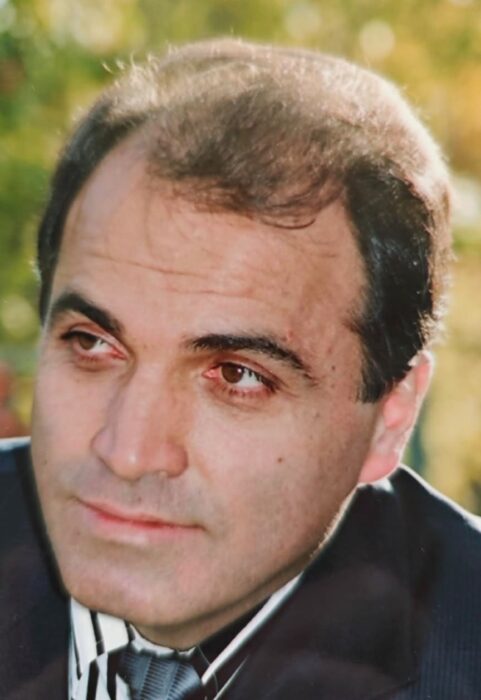
This reader contains the complete AI-assisted transcript of the published 4:21 video and the publisher’s complete written introduction. The article date remains separate from the video upload timestamp.
Complete transcript of the published video · 4:21
Complete transcript of the published video, prepared with AI assistance from captions and an additional AI inspection of the video. It is not a human audio-verified transcription. Uncertain recognition expressions are marked. The video itself is titled as an interview excerpt; no claim is made to have recovered a longer recording. Unaltered original caption text · Original video on YouTube
[0:00 – 0:13] From an interview with Arbak Shaumyanovich Khachatryan, adviser to the chairman of the All-Russian Public Organization ‘Public Commission for the Fight Against Corruption’ and an independent human rights defender.
[0:14 – 0:31] Crisis. World financial crisis. How many have there been? The financial crisis of the early twentieth century, the Great Depression of the thirties, the Russian currency crisis of 1998, the global crisis in 2008.
[0:31 – 1:00] The common directive cause [word recognition uncertain] of all of them is the desire of a few individuals to enrich themselves at the expense of the masses. Globalization has only increased the ability of major financial structures to concentrate capital in their own hands. Put simply, it has become easier for bankers to legally appropriate other people’s money for themselves without producing anything. States generally create laws to serve the interests of particular individuals or groups of people, rather than to benefit their own people.
[1:00 – 1:23] The global financial crisis of 2008 led banks and major international companies to receive colossal state support in the form of qualitative cash injections into their budgets [recognition of ‘qualitative’ uncertain], attempting to preserve the established system as far as possible and postpone its inevitable collapse. In this way, financiers were given levers of state administration and political influence [recognition of the original wording uncertain].
[1:23 – 1:52] There is a stereotype that people who make money from other people’s money in the modern world are intelligent and strong. In reality, they are merely greedy swindlers responsible for the destruction of the world economy. Their behavior resembles that of jackals: steal and do not give it back. The situation in Greece confirms this once again. Investors are afraid to put money into a country where, until recently, they made good money; they do not trust the people to return their hard-earned money.
[1:52 – 2:30] They must not be allowed to influence state activity and policy. All the major financial structures together resemble a giant octopus that has entwined the entire planet in its tentacles. Branches of the largest corporations operate in almost every country in the world. Securities traditionally serve as a financial guarantor for countries that possess them. All this leads to the accumulation of money in the hands of only certain people. This egocentric financial order was created by corrupt officials and bankers, effectively for legal theft. It does not allow countries’ economies to develop along a healthy course…
[2:30 – 2:41] …and is exhausting itself more and more. The sooner people understand all this, the less painfully society will perceive the changes connected with the destruction of the established system.
[2:41 – 3:08] What is happening in the world now? Representatives of states and the largest financial corporations gather annually at all kinds of economic forums, such as Davos, under the respectable pretext of determining paths for the development of the so-called world economy in order to improve people’s quality of life. What actually happens is this: every year all the forum participants become richer, while states’ economies are destroyed. At whose expense do they grow rich?
[3:08 – 3:29] Some countries are considered developed, while others, in turn, are their raw-material and financial donors. In a certain sense, some of the world’s economies live parasitically at the expense of others. The world is divided into rulers and subordinates, as in colonial times, only with a different outward appearance, under supposedly fair market relations.
[3:29 – 4:02] Competition now exists that recognizes only monopoly and hegemony, without a competitive principle. Such competition contradicts itself. Without technical conditions and political will, it is simply impossible. The stronger side will never voluntarily hand the reins of power to the weaker. At the same time, small peoples and developing states will never accept the role of an appendage condemned to a poverty-stricken existence. Taken together, all these factors lead to irreversible, possibly revolutionary consequences.
[4:02 – 4:21] We must stop this destructive process. That is precisely why we are developing algorithms and creating mechanisms of public oversight of the economic situation in the world, which will stand above national authorities and will have neither borders, races nor religious affiliation.
Compare with the Russian transcript and original introduction
Полная расшифровка опубликованной видеозаписи · 4:21
Полная расшифровка опубликованного видео, подготовленная с помощью ИИ по субтитрам и дополнительному просмотру видео системой ИИ. Это не расшифровка, проверенная человеком по звуку. Неуверенно распознанные выражения отмечены. Сам ролик назван фрагментом интервью; более длинная запись здесь не заявляется как восстановленная. Неизмененный исходный текст субтитров · Исходное видео на YouTube
[0:00 – 0:13] Из интервью с Советником Председателя Общероссийской общественной организации «Общественная комиссия по борьбе с коррупцией» независимым правозащитником Хачатряном Арбаком Шаумяновичем.
[0:14 – 0:31] Кризис. Мировой финансовый кризис. Сколько их было? Финансовый кризис начала двадцатого века, Великая депрессия тридцатых годов, российский валютный 1998 года, мировой в 2008 году.
[0:31 – 1:00] Общая директивная [распознавание слова неуверенно] причина возникновения для всех них — это желание единиц обогатиться за счёт масс. Процесс глобализации только увеличил возможности крупных финансовых структур концентрировать капиталы в своих руках. Банкирам стало легче, попросту говоря, законно присваивать чужие деньги себе, ничего при этом не произведя. Государства создают законы, как правило, в угоду интересов отдельных личностей или групп людей, а не в пользу своего народа.
[1:00 – 1:23] Мировой финансовый кризис 2008 года привёл к тому, что банки и крупные международные компании получили колоссальную государственную поддержку в виде качественных [распознавание слова неуверенно] денежных вливаний в свои бюджеты, стараясь максимально сохранить сложившуюся систему и отсрочивая её неизбежный крах. Таким образом финансистам дались [распознавание исходной формулировки неуверенно] рычаги для государственного управления и политического влияния.
[1:23 – 1:52] Существует стереотип, что в современном мире люди, зарабатывающие на чужих деньгах, умны и сильны. На самом же деле, это лишь алчные аферисты, которые виновны в разрушении мировой экономики. Их поведение похоже на поведение шакалов: своруй и не отдавай. Сложившаяся ситуация в Греции в очередной раз подтверждает это. Инвесторы боятся вкладывать деньги в страну, в которой до недавнего времени хорошо зарабатывали, не доверяют народу, что он вернёт их кровные.
[1:52 – 2:30] Нельзя давать им возможности влиять на государственную деятельность и политику. Все крупные финансовые структуры вместе сродни гигантскому спруту, опутавшему своими щупальцами всю планету. Филиалы крупнейших корпораций открыты почти во всех странах мира. Ценные бумаги традиционно выступают в качестве финансового гаранта для тех стран, которые ими обладают. Всё это ведёт к накоплению денежных масс в руках только лишь определённых людей. Такой эгоцентричный финансовый порядок создан коррумпированными чиновниками и банкирами фактически для легального воровства. Он не даёт возможности развиваться экономикам стран в здоровом русле...
[2:30 – 2:41] ...и исчерпывает себя всё больше и больше. Чем раньше люди поймут всё это, тем менее болезненно будут восприняты обществом изменения, связанные с разрушением сложившейся системы.
[2:41 – 3:08] Что происходит в мире сейчас? Представители государств и крупнейших финансовых корпораций ежегодно собираются на всевозможных экономических форумах, таких как Давос, под благовидным предлогом определения путей развития так называемой мировой экономики для улучшения качества жизни людей. Фактически выходит следующее: каждый год все участники форумов становятся богаче, а экономики государств разрушаются. За чей счёт они богатеют?
[3:08 – 3:29] Одни страны считаются развитыми, другие же, в свою очередь, являются их сырьевыми и финансовыми донорами. Одни экономики мира в определённом смысле паразитируют за счёт других. Мир поделён на властвующих и подчинённых, как в колониальное время, только при другом внешнем проявлении, при якобы честных рыночных отношениях.
[3:29 – 4:02] Сейчас существует конкуренция, которая признаёт только монополию и гегемонию без соревновательного принципа. Такая конкуренция противоречит сама себе. Без технических условий и политической воли она попросту невозможна. Никогда сильная сторона добровольно не отдаст бразды правления более слабой. При этом малые народы и развивающиеся государства никогда не согласятся с ролью придатка, обречённого на нищенское существование. Все эти факторы в сумме ведут к необратимым, возможно, революционным последствиям.
[4:02 – 4:21] Мы обязаны остановить сей разрушительный процесс. Именно поэтому мы вырабатываем алгоритмы, создаём механизмы общественного контроля над экономической ситуацией в мире, которые будут стоять выше национальных органов власти и не будут иметь ни границ, ни рас, ни вероисповедания.